

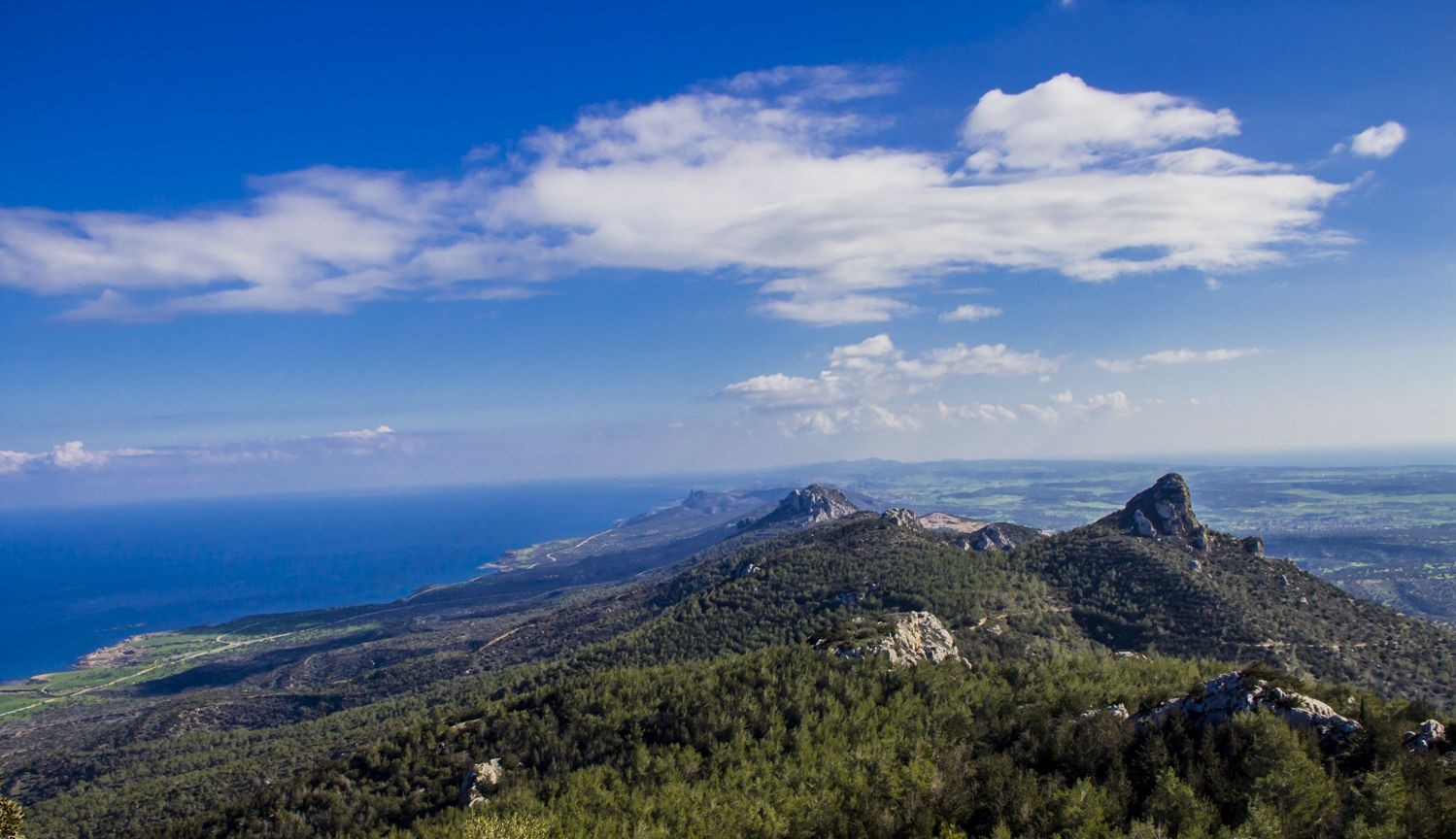
Cyprus sits at the meeting point of three continents, and its flora reflects that crossroads beautifully: Mediterranean evergreens mingle with Levantine aromatics, Anatolian pines, and a surprising cast of endemics found nowhere else on Earth. Nowhere is this blend more immediate and intimate than in Northern Cyprus, where limestone ridges drop to rosemary-scented shores, orchid-rich meadows unfurl each spring, and dunes gleam with star-white sea daffodils. This guide will help you recognise key habitats and species, understand their seasonality and cultural uses, and plan thoughtful field days that respect the island’s delicate ecology.
Landscapes that Breathe Green
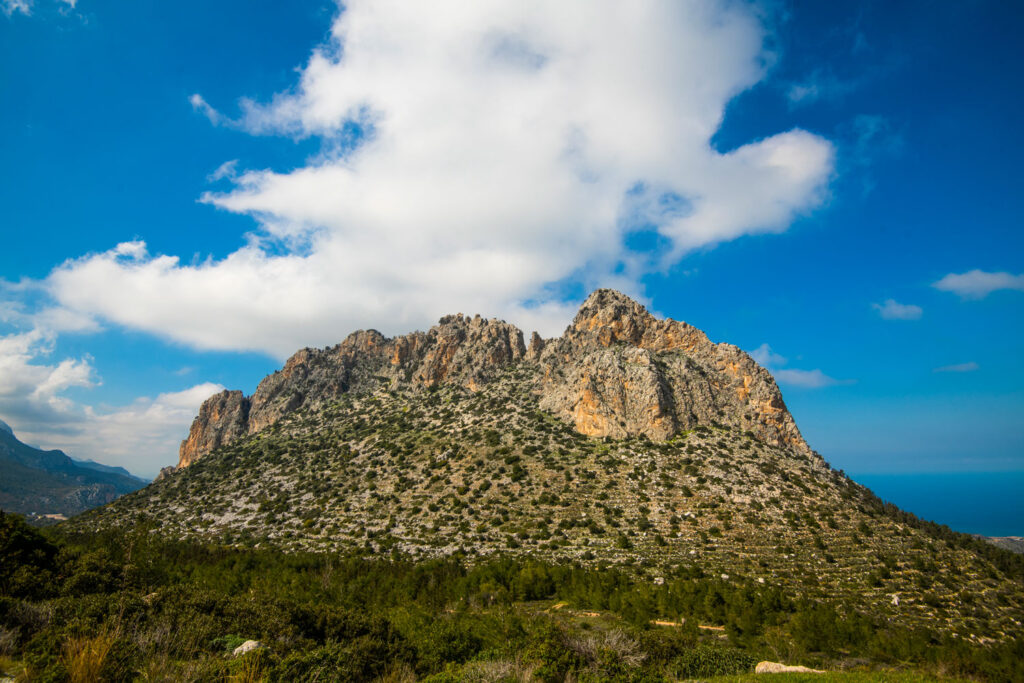
Climb into the mountains and you step into a world of forests, where Turkish pines cling to limestone ridges and their cones click in the heat like a metronome of summer. Beneath them, evergreen shrubs form a dense tapestry: oaks twisted and thorny, strawberry trees glowing with cinnamon-red bark, and shrubs of myrtle and pistachio whispering with the sound of cicadas. In spring, the undergrowth catches fire with colour—rockroses unfold tissue-like petals in pink and white, and sage blossoms scatter blue over the slopes.
Down by the coast, the landscape changes dramatically. On the dunes, life grows against all odds. The sea daffodil is queen here: white, star-shaped flowers that open at dusk in August, glowing against the gold of the sand and the shimmer of the Mediterranean beyond. Their bulbs hide deep below the shifting surface, safe from the sun, waiting for the season’s cue. Alongside them sprawl sea holly, glassworts and tough little junipers that hold the dunes in place.
Between the mountains and the sea lies the great plain, once the granary of the island. In spring, it bursts into a riot of colour—scarlet poppies swaying like fire, crown daisies filling the fields with yellow suns, chamomile releasing its apple-sweet scent underfoot. By June the plain turns golden and quiet, but for a few weeks it is a painter’s dream, alive with bees, butterflies and wandering goats.
Trees of Life
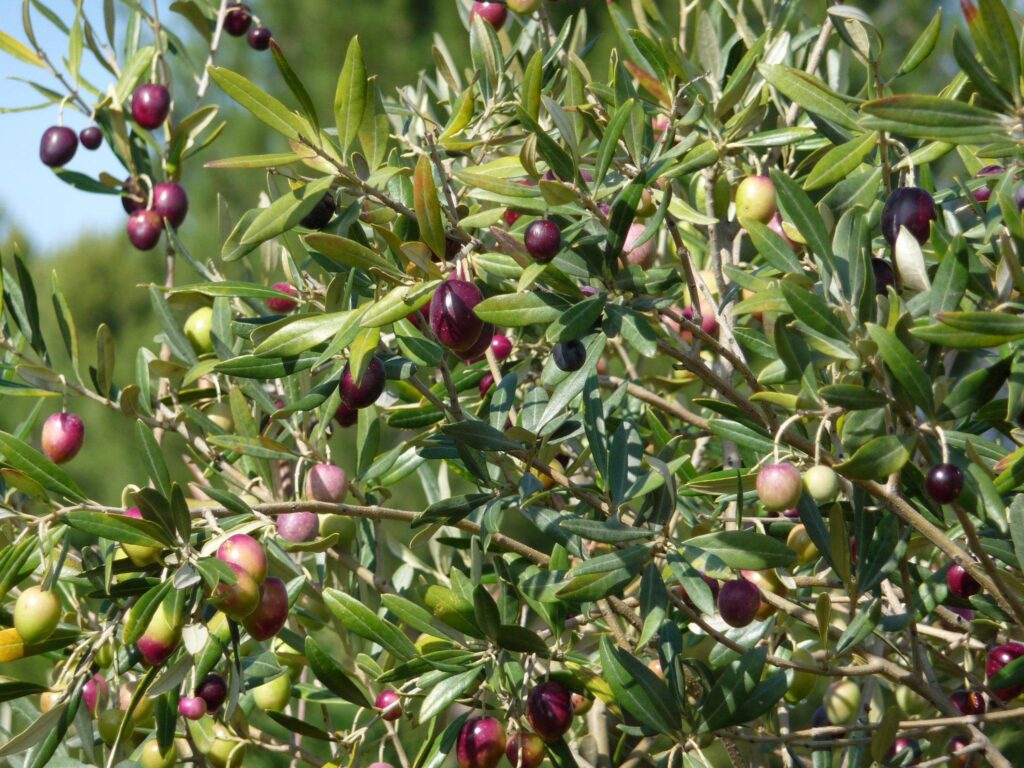
No tree speaks more deeply of Cyprus than the olive. Their gnarled trunks, some centuries old, are like sculptures chiselled by time, their silver leaves trembling in the wind. They provide shade, fruit, and oil that has fed generations. Alongside them stand carob trees with wide crowns and glossy leaves. Their pods, once called “black gold,” sweetened children’s pockets and sustained entire villages. The air in late summer is heavy with their chocolate scent.
Further up the slopes, the strawberry tree steals attention. Its bark peels in plates of copper and cinnamon, revealing a smooth surface that glows in the afternoon light. Tiny urn-shaped flowers appear in winter, and later the red berries dangle like lanterns among the leaves. These trees turn a mountain walk into a gallery of natural artistry.
Flowers and Seasons
The rhythm of Cyprus’s flora follows the rains. After the first autumn showers, cyclamens unfurl like purple butterflies beneath the rocks, joined by the strange greenish blossoms of mandrake, a plant wrapped in myth and mystery. Winter is the time of anemones—fields suddenly studded with their red and violet cups, as if spilled from a painter’s palette.
Then comes spring, the great crescendo. Orchids of every kind perform their tricks of mimicry, fooling bees and wasps with intricate patterns and perfumes. The Cyprus bee orchid, found nowhere else, is among the most enchanting, its velvety lips painted in designs nature seems to have invented in a dream. The rare Cyprus tulip, deep crimson and delicate, blooms only in a handful of guarded places, its beauty as fleeting as it is precious.
By May, rockroses dominate, filling the air with labdanum resin. Thyme begins to flower, and entire hillsides hum with bees, their honey carrying the taste of summer. When the heat sets in, flowers retreat, but the dunes still offer a surprise: the white trumpets of the sea daffodil, blooming when almost everything else has withered.
Plants in Culture and Daily Life
Cypriots have always lived hand in hand with their plants. The kitchen tells the story: carob syrup thick and dark on bread, olives pressed into oil, thyme and sage brewed into tea. Bay leaves season stews, while caper buds and sumac add sharpness to salads and grilled meats. Even the perfumes of the island come from the hills—resins of cistus once travelled to Europe’s perfume houses.
But these plants are more than food and flavour. They carry stories. Mandrake, with its human-shaped root, was once thought to scream when pulled from the ground. Carob seeds, being so uniform, gave rise to the “carat,” the measure of gold. To walk among these plants is to walk inside the mythology of the island.
Fragile Beauty
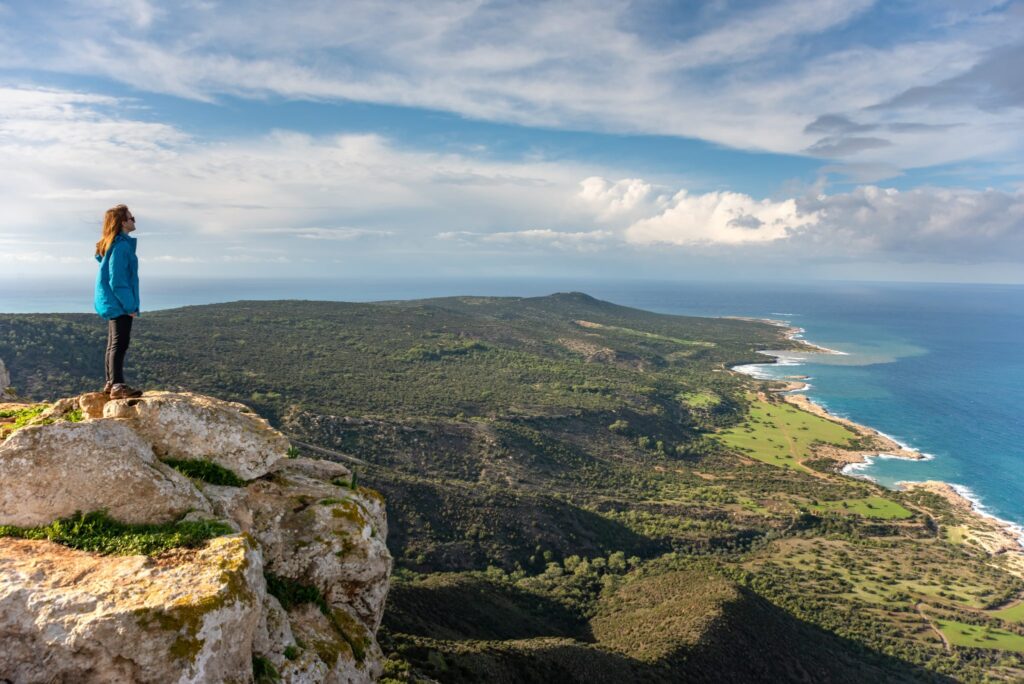
For all their resilience, the plants of Cyprus are vulnerable. Orchids and tulips cling to tiny patches of land; a careless bootstep can erase them. Dunes collapse when trampled, destroying the lilies within. Fires roar through maquis with frightening speed. Invasive acacias and prickly pears creep across habitats where endemics once thrived. Protecting the flora is not just an act of conservation; it is a promise to future generations that the island will still smell of thyme in June and still bloom red with anemones in February.
A Lasting Impression
To explore Cyprus through its flora is to discover a living storybook. Each season brings a new chapter: autumn cyclamens like shy messengers, spring tulips like royal guests, summer daffodils like stars fallen to the shore. Trees mark the passing centuries, herbs flavour the daily bread, and flowers turn hillsides into canvases. The island’s natural vegetation is both wild and intimate, familiar and unique—a reminder that here, at the edge of three continents, nature has written one of its most beautiful tales.