

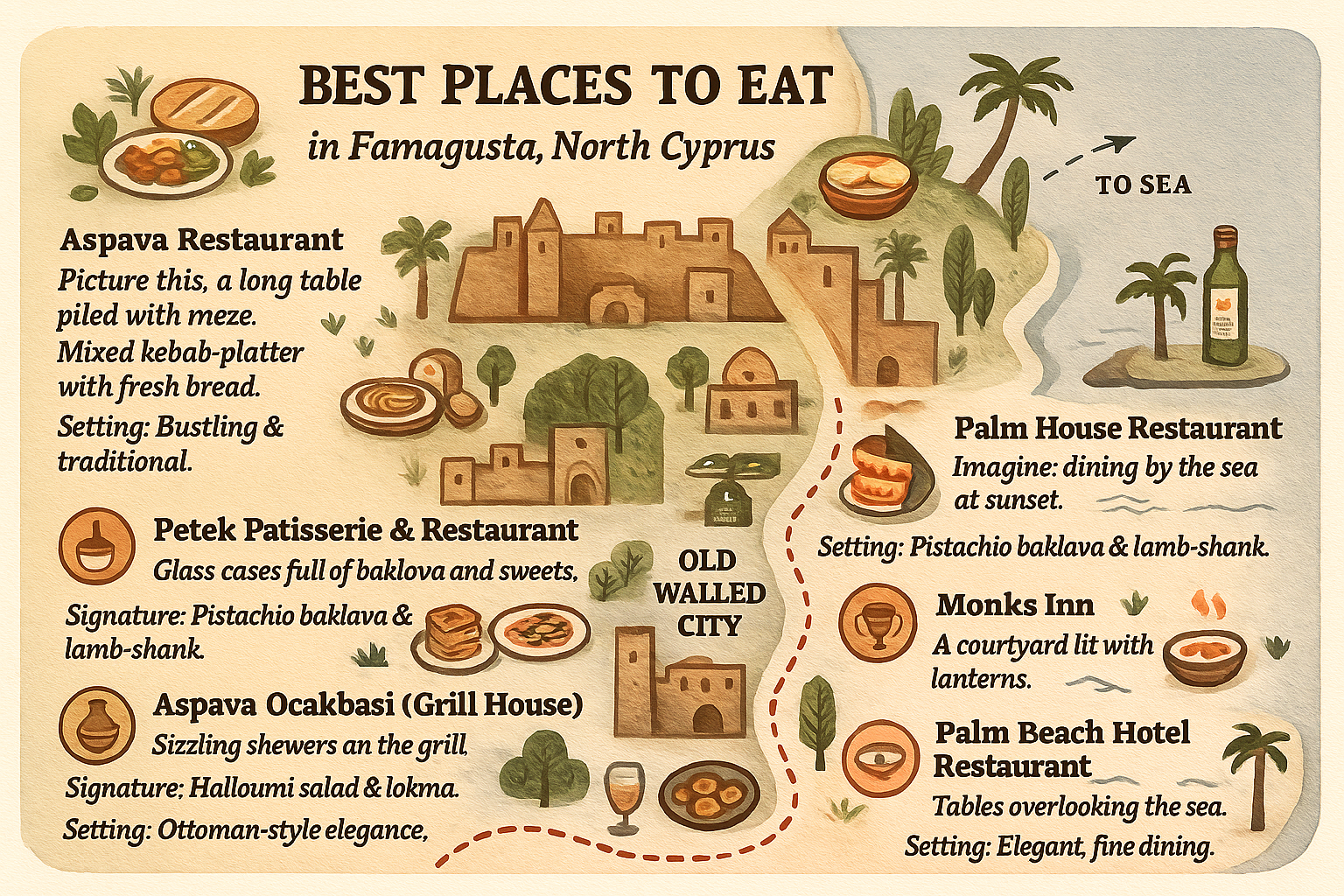
Famagusta, the old port city of Eastern Cyprus, is a place where time lingers in the stones of Venetian walls, in the courtyards of forgotten monasteries, and in the gentle lap of the Mediterranean Sea. Yet it is also alive and immediate, pulsing with life, colour, and flavour. To dine here is not simply to eat; it is to participate in a living story, one in which every dish tells of the land, its people, and its history.
In this guide, we wander through Famagusta’s culinary treasures—its bustling taverns, its pastry-filled patisseries, its seaside restaurants where the sea is as much a guest as the diners themselves. Each place has its character, its rhythm, its palette of tastes, and together they create a map of experiences as rich as any museum or cathedral.
Here is a curated list of the best restaurants in Famagusta, told as a mosaic of flavours and experiences.
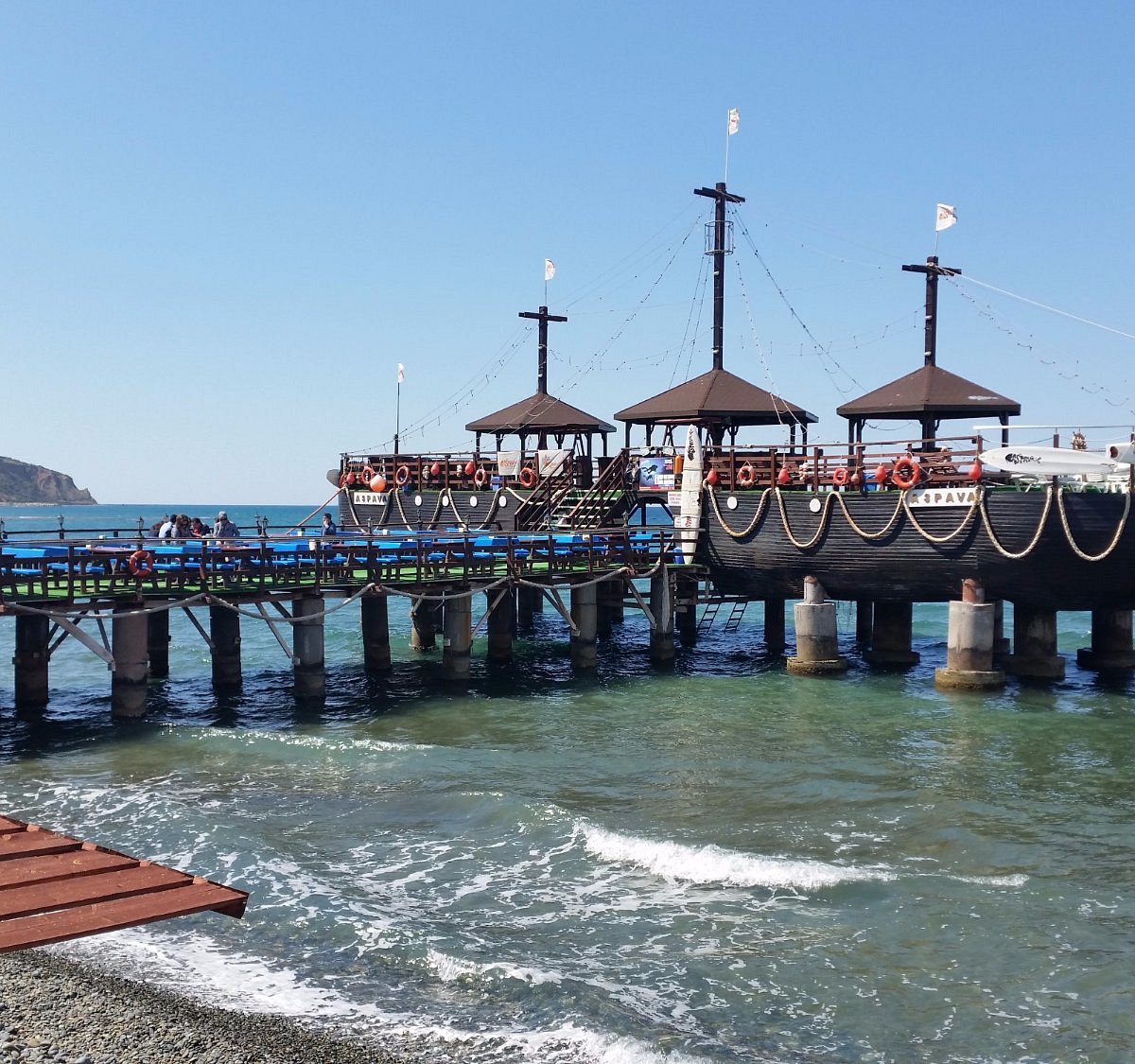
Aspava Restaurant – A Feast Like Family
To sit at Aspava is to sit at a table that never seems to end. Wooden benches stretch long, piled high with plates that keep arriving, one after the other, as if the kitchen itself cannot stop giving. Before you even order, you are welcomed with an abundance of meze: silky hummus sprinkled with paprika, grilled halloumi fresh from the fire, vine leaves tightly rolled around spiced rice, tangy yoghurt dips, spicy ezme salad and warm village bread puffed from the oven.
But the true glory comes with the mixed kebab platter—skewers of lamb, chicken, köfte and shish, all kissed by smoke, laid out across a wooden board. Juices mingle with roasted tomatoes and peppers, while fresh parsley and lemon wait at the side for you to brighten each bite. The place hums with chatter, laughter, and the clink of raki glasses. This is dining as it should be: noisy, generous, communal. At Aspava, you are not a customer—you are a guest at a family celebration.
Petek Patisserie & Restaurant – Where Sweetness Rules
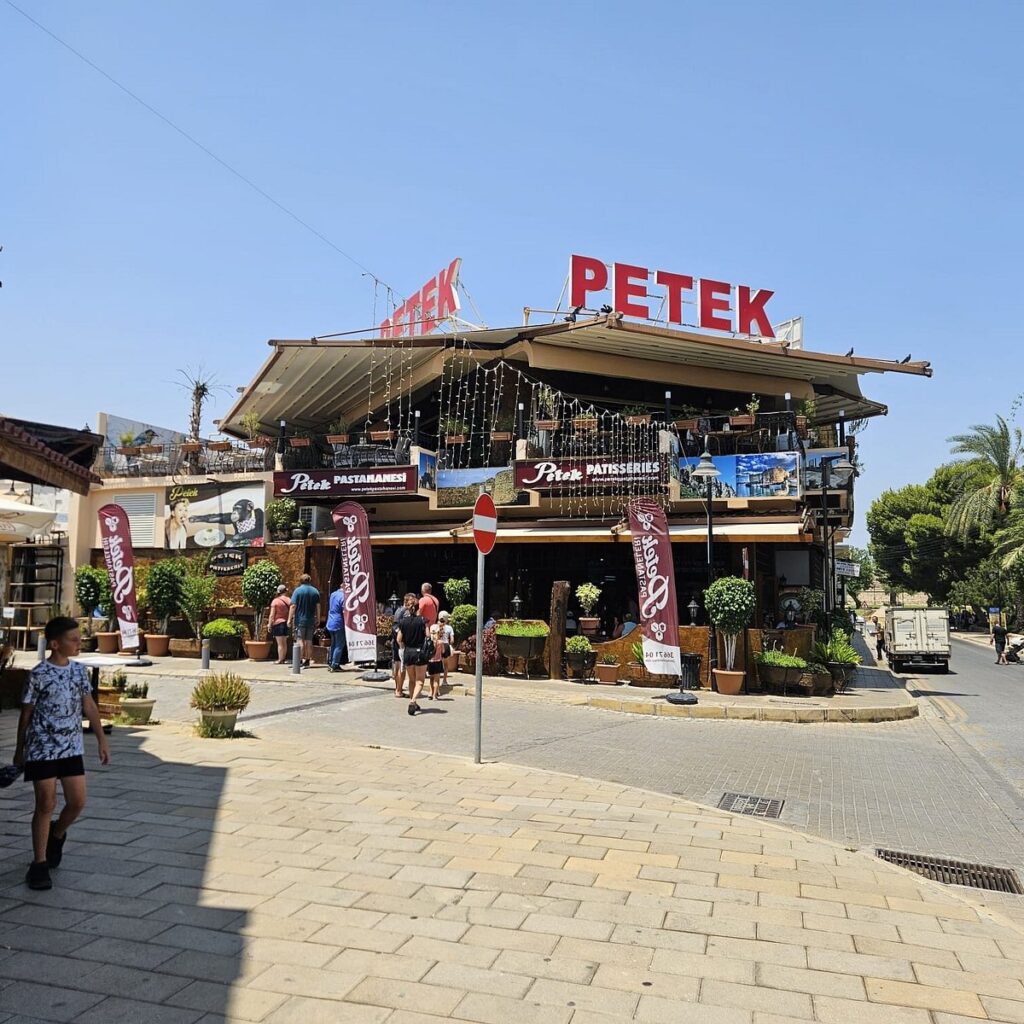
Step inside Petek and you are met with the perfume of syrup and roasted nuts. Glass counters glitter with row upon row of pastries: pistachio baklava layered in gold and green; walnut-filled kataifi, its hair-like pastry strands glistening with honey; and trays of rosewater-scented lokma, small golden spheres waiting to be bathed in syrup.
Yet Petek is more than a sweet shop. At the back, the restaurant offers hearty meals that balance the indulgence of its desserts. Locals gather for lamb shanks slow-cooked until the meat falls from the bone, served with a mound of bulgur pilaf rich in tomato and herbs. Others come for kebabs or simple grills, followed always by a strong Turkish coffee and something sweet to end the meal.
The setting itself is elegant: tiled floors, Ottoman-style lamps glowing above, and the murmur of conversation. It is a place for all occasions—afternoon tea with pastries, family dinners, or simply a stolen half-hour to sip coffee and taste something divine.
Palm House Restaurant – Where the Sea Meets the Plate
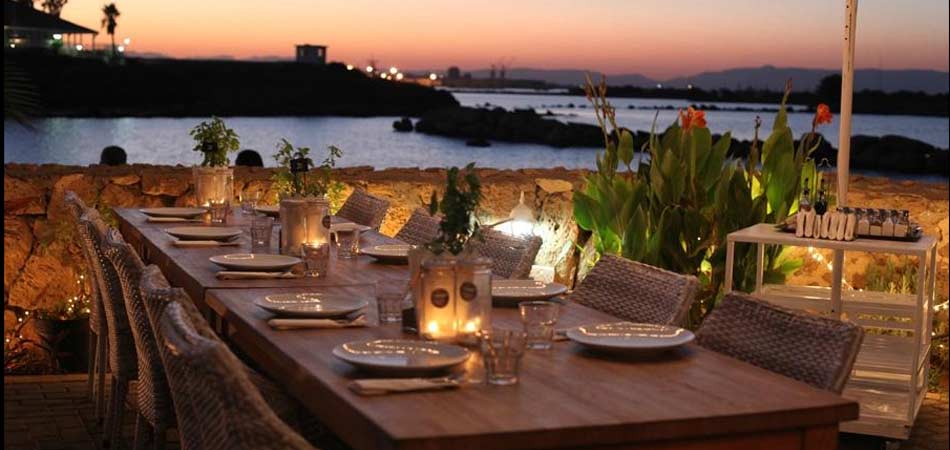
Few places capture the romance of Cyprus like Palm House. Set directly on the shoreline, it is a restaurant where the horizon itself feels like part of the décor. By day, the sea sparkles, turquoise and inviting; by night, the waves lap softly against the shore, carrying with them the perfume of salt and seaweed.
Seafood is, naturally, the heart of the menu. Fresh sea bream is grilled whole, its skin crisped to perfection, served with a drizzle of olive oil and a squeeze of lemon. Octopus, tender and smoky, is bathed in olive oil and garlic, while calamari arrive golden and crisp, melting into softness as you bite. Pair it with a crisp Cypriot white wine—perhaps from the vineyards of Paphos or Lefke—and the experience becomes a love letter to the Mediterranean.
Palm House is not only about food; it is about the atmosphere of dining by the sea, where conversation slows to the rhythm of the waves, and every dish tastes fresher, lighter, more alive.
Rouge 21 Restaurant & Café – Tradition Reimagined
For those who want tradition with a modern twist, there is Rouge 21. Located in a beautifully renovated stone building within the walled city, it is a place of candlelight and creativity. The ancient stone arches create an atmosphere of history, while the menu reimagines Cypriot cuisine with flair.
Here, beef fillet with pomegranate reduction transforms a classic cut into something rich, glossy, and new. Halloumi appears not simply grilled but paired with wild herbs and artistic presentation. Desserts draw on local ingredients like carob syrup but are plated with elegance worthy of a European capital.
Rouge 21 is where the old city meets modern gastronomy, where chefs play with flavour and form but never forget their roots. It is a place for those who love discovery, who want to taste not just Cyprus as it has always been, but as it is becoming.
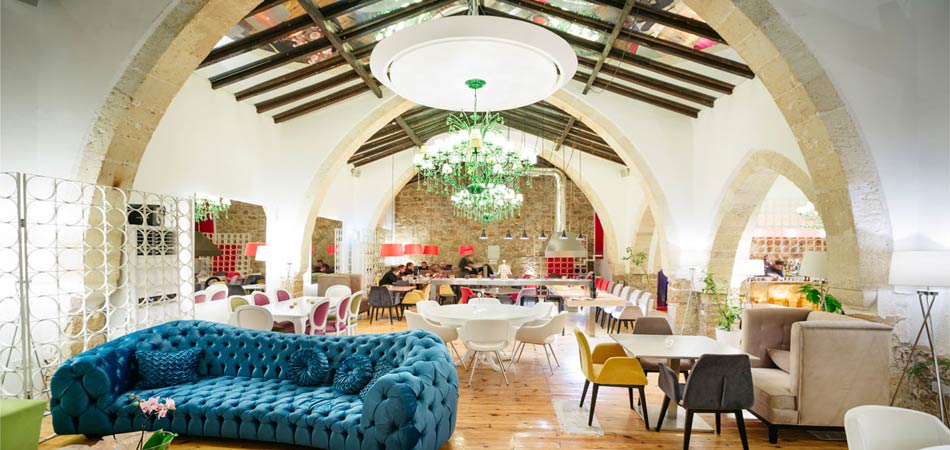
Aspava Ocakbaşı (Grill House) – The Fireside Tradition
If Aspava Restaurant is a feast, then Aspava Ocakbaşı is theatre. Here the star of the show is the ocak, the charcoal grill at the centre of everything. Flames leap, smoke rises, and skewers of meat turn slowly, their juices hissing as they drip onto the coals. Diners watch the spectacle, their anticipation growing with each turn of the skewer.
The Adana kebab is the signature—a spicy, hand-minced lamb kebab stretched along a skewer, smoky and rich, served with flatbread that soaks up its juices. Around it are spreads of roasted peppers, tomatoes, onions charred at the edges, and bowls of parsley salad to cut through the richness.
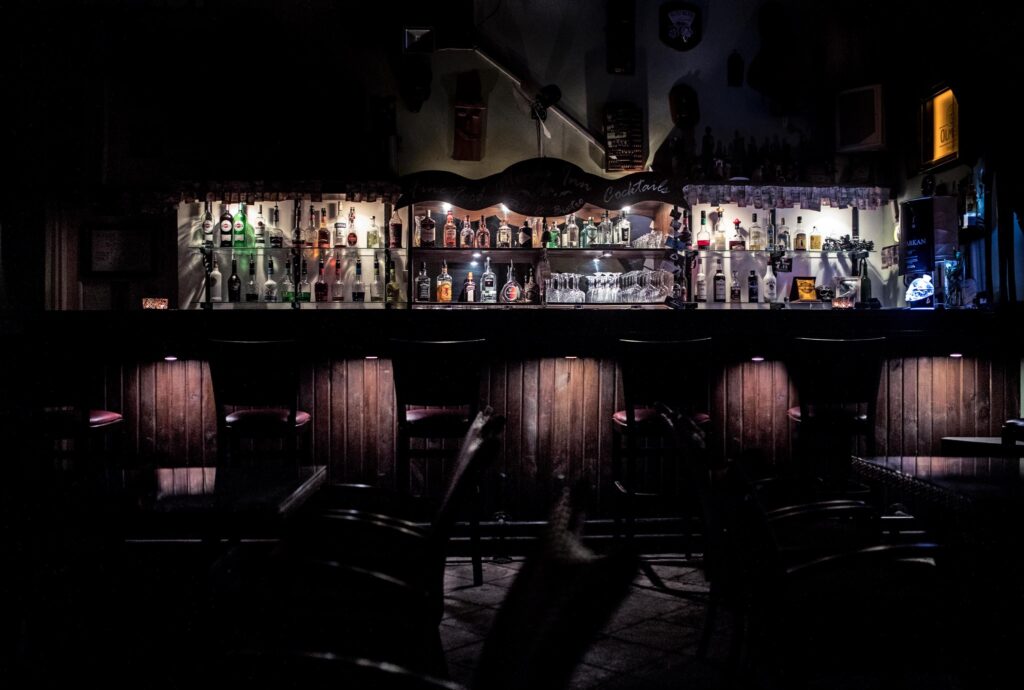
The atmosphere is casual, loud, and full of energy. Conversations flow as freely as the raki, and the air carries the mingled aromas of lamb fat, grilled peppers, and smouldering wood. To eat here is to step into a living Cypriot tradition, unchanged for centuries.
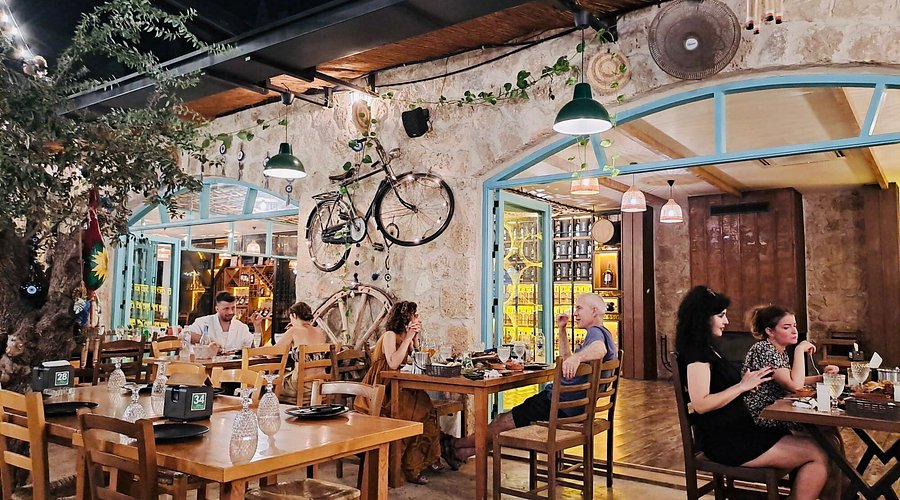
Monks Inn – Lanterns and Stone Walls
Near the shadow of Othello’s Tower lies Monks Inn, a restaurant that seems to emerge from the very history of the city. Its walls are stone, its arches ancient, and its courtyard glows with lanterns that flicker against the dusk. It is a place that feels timeless, where the past lingers in every corner.
The menu reflects this blend of history and modernity. Grilled halloumi salad with pomegranate is both rustic and refined: the salt of the cheese softened by the fruit’s jewel-like sweetness. Sea bass with lemon butter is another favourite, simple yet perfect, the kind of dish that lets the ingredients speak.
Here, meals linger. Wine glasses are refilled, candles burn low, and conversation flows in the warm night air. Monks Inn is not a place to rush—it is a place to savour, a restaurant that turns dining into an evening-long ritual.
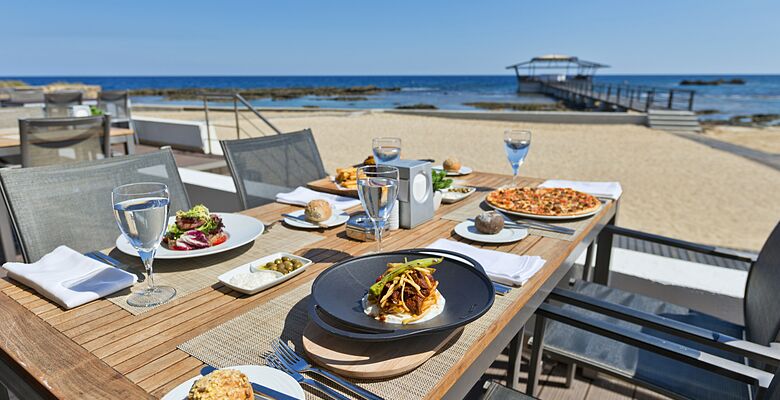
Palm Beach Hotel Restaurant – Dining with a View of History
Palm Beach Hotel is famous not only for its food but also for its location. From its terrace, you can look directly onto the ghost town of Varosha, its silent hotels and empty beaches a haunting backdrop to your meal. Few restaurants in the world offer such a striking juxtaposition: fine dining against the ruins of a frozen past.
The menu combines international sophistication with Cypriot tradition. Start with a meze set, dozens of small plates ranging from creamy taramasalata to spicy sucuk sausages, and move on to lamb chops, fresh fish, or a perfectly roasted chicken. The wine list highlights Cypriot vineyards, pairing local reds and whites with each course.
The service is refined, the tables dressed in white, and yet the atmosphere remains warm and welcoming. Dining here is an experience of elegance, yes, but also of reflection—food set against the echo of history.
Authentic Street Eats – The Heartbeat of Local Life
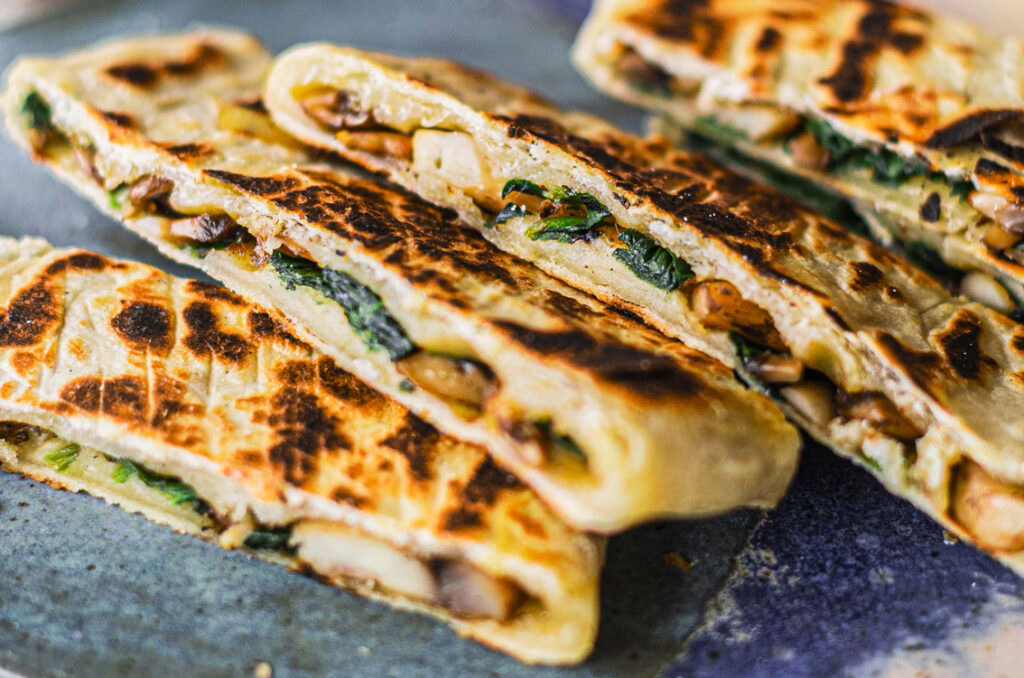
For all the elegance of fine dining, some of Famagusta’s most authentic flavours come from its simplest kitchens. In side streets and village squares, women roll out dough for gözleme, thin flatbreads filled with spinach, cheese, or spiced meat, then cooked on a flat griddle until crisp. Eaten hot, with a squeeze of lemon, they are irresistible.
Nearby, stalls sell lokma, small golden doughnuts drenched in syrup and sprinkled with sesame. Children clutch paper cones of them, syrup dripping down their hands, while adults sip coffee and share the same sweets with nostalgic smiles.
These street foods are not only cheap and delicious; they are expressions of Cypriot hospitality in its most everyday form. To eat them is to taste the life of the city itself—unpretentious, joyful, and utterly satisfying.
Final Bite
To dine in Famagusta is to experience Cyprus in miniature. Here, on the edge of the island, you find every aspect of its culinary soul: the generosity of meze at Aspava, the sweetness of tradition at Petek, the romance of the sea at Palm House, the fireside theatre of the grill at Aspava Ocakbaşı, the historic intimacy of Monks Inn, the elegance of Palm Beach, the humble authenticity of street food, and the contemporary creativity of Rouge 21.
Together, they tell a story of a city that is both ancient and alive, a place where food is memory, celebration, and discovery. Whether you dine by lantern light, by the sea, or in the company of locals at a street stall, every bite is a piece of Cyprus itself: sun, stone, sea, and soul.